Pokémon’s Quiet Conquest: How a “Free” App Revived a Franchise and Redefined Card Games
I thought I was just downloading a mobile game to kill time. Six months later, my family's obsessed, my local card shop's packed, and I'm lining up for an hour just to get into an "Official Pokémon Gym." Here's why Pokémon conquered 2025.
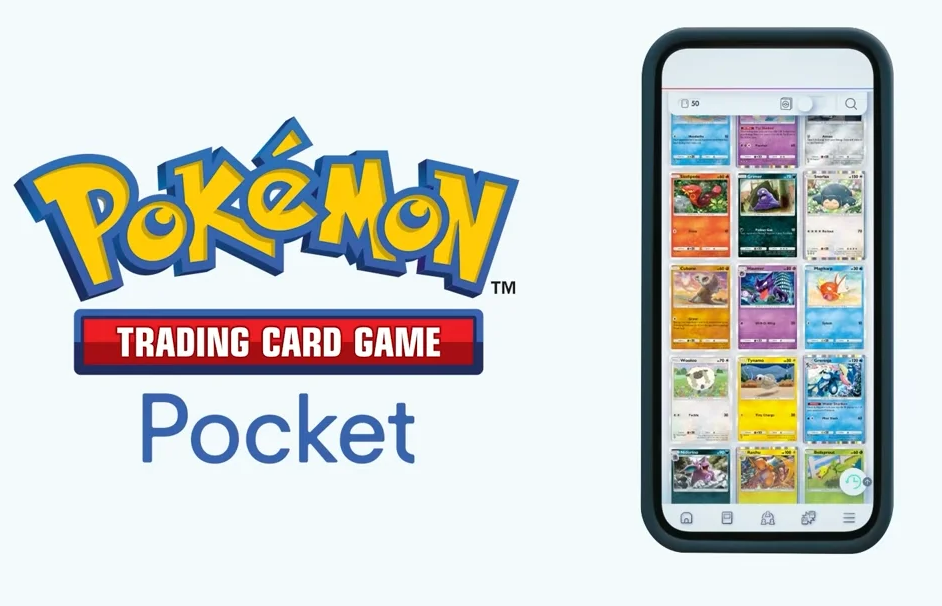
It began, as these things often do, with a shrug and a download.
One bored evening in October, a parent—let’s call him Alex—installed Pokémon TCG Pocket on his phone. Free game, quick nostalgia hit, probably gone in a week. Six months later, his digital collection tops 2,000 cards. His eight-year-old has turned the bedroom into a glittering disaster zone of physical holos and energy cards. And both of them are hooked.
They’re far from alone.
Last weekend, Alex joined a line that snaked around the block outside the city’s new Official Pokémon Gym. Forty-five minutes in the cold, coffee going stale, just to step inside. Around him: dads sneaking peeks at daily missions on their phones, teenagers swapping rares on the sidewalk, a mom haggling over pre-release fees with her kid. This wasn’t the secretive childhood hobby anymore. This was mainstream culture, loud and unapologetic.
From the outside looking in, the resurgence feels almost sudden. But dig a little deeper, and you see something more deliberate: Pokémon didn’t just ride a nostalgia wave—it engineered a perfect, multi-generational takeover while its oldest rivals quietly faded.
The App That Changed Everything
Pokémon TCG Pocket isn’t your typical mobile cash-grab. Yes, it has the gacha pull, the shiny animations, the timed rewards—every trick in the book. But it does something cleverer: it refuses to stay digital.
Every free pack you open every 12 hours feels good. The rip, the reveal, the sparkle—it’s distilled joy. Yet the moment you pull a gorgeous Charizard ex on screen, the app whispers: now go get the real one. It’s not competing with physical cards; it’s advertising them.
The numbers speak for themselves:
- 150 million downloads in its first year
- $1.3 billion in revenue—surpassing Pokémon GO’s debut by a quarter-billion
- Named Apple’s iPhone Game of the Year 2025
- The Pokémon Company printed 10.2 billion physical cards in the latest fiscal year
A digital simulator out-earned the game that once sent people walking into fountains. That’s not luck. That’s strategy.
Meanwhile, at the Local Game Store…
Walk into almost any hobby shop today and you’ll feel the shift.
The Yu-Gi-Oh! corner gathers dust. The once-vibrant play tables are empty. Modern matches look like competitive programming—endless chains, layered mechanics, turns that stretch past fifteen minutes. Somewhere along the line, complexity became the brand, and casual players drifted away.
Magic: The Gathering still draws a crowd, but the mood is different. Players mutter about “set fatigue.” Thirty releases a year, Secret Lairs, Universes Beyond crossovers—keeping up feels like a second job. The wallet strain is real, and the joy is starting to feel optional.
Then you reach the Pokémon shelf. Empty. Handwritten signs: Limit 4 packs per customer. The store owner shrugs when asked: “Pokémon brings in people who haven’t touched cards since the late ’90s. Magic keeps the faithful. Pokémon grows the faithful.”
Why Now? The Perfect Storm
Several forces aligned at exactly the right moment.
First, demographics. The kids who begged for Base Set packs in 1999 are now in their 30s and 40s, with steady jobs and disposable income. Many have children of their own. That unresolved childhood itch—“just one more pack for the Charizard”—is now backed by adult purchasing power.
Second, tangibility in a digital age. When so much entertainment vanishes into streaming queues and algorithm feeds, a thick, glossy card feels permanent. It has weight. It catches light. It’s something you can hold when everything else feels ephemeral.
Third, infrastructure. The new Official Pokémon Gyms aren’t just stores—they’re destination venues. Proper tournament lighting, exclusive merchandise, community boards thick with flyers. Pokémon isn’t relying on third-party shops to survive; it’s building its own ecosystem. And people show up in droves.
Finally, accessibility. Pokémon never abandoned its core promise: rules simple enough for an eight-year-old, deep enough for world-class competition. You can play a quick game with your kid on the living-room floor or grind a Regional with optimized decks. It scales effortlessly across ages and commitment levels. That inclusivity isn’t a flaw—it’s the superpower.
The Others Aren’t Dead—Just Tired
Yu-Gi-Oh! and Magic aren’t going away. They still have passionate cores. But they’ve lost the cultural oxygen. One chased mechanical density until it felt like homework; the other chased revenue until it exhausted its audience. Pokémon, by contrast, kept the door wide open.
A Closed Loop of Engagement
What Pokémon built is rarer than any chase card: a self-reinforcing loop.
The app drives desire for physical cards → physical cards drive community events → events drive competitive play → competitive play drives more packs → more packs feed the app. Every layer strengthens the next.
It’s not just a game anymore. It’s a lifestyle that spans phone screens, kitchen tables, and packed tournament halls.
Final Thought
Alex never planned to become “that dad” at the card table. He certainly didn’t plan to drop real money on Japanese promos. But here he is—refreshing the app in restock lines, planning a family trip to Regionals, watching his kid sort rares like poker chips.
And he’s one of thousands.
So here’s the question for anyone still on the sidelines: have you felt the pull yet? Did a “quick download” turn into late-night binder organization? Did you find yourself at a store at opening time for the latest set?
Or are you still telling yourself it’s just nostalgia, just for kids?
The lines are only getting longer.
Drop your story in the comments—whether you never stopped collecting since ’99, got dragged back by the app, or you’re watching from the outside wondering what all the fuss is about. We’d love to hear it.
See you at the next restock.